Buffer Zone: The War on Migration in Libya
June 13th, 2026 - written by: Wasil Schauseil
In the last two weeks, there has been a terrifying escalation of violence against refugees and migrants in Libya. As part of an aggressive mobilization, fueled by disinformation and nationalist sentiments, protesters chant slogans like “Libya belongs to Libyans” in the streets, calling for the closure of UNHCR offices, which they accuse of attempting to resettle migrants in the country. While the agency and state officials have denied these allegations, much of the Libyan public does not seem to trust these announcements.
The Libya Observer explains this as rooted in deeper causes behind the protests, which it describes as “the product of a long accumulation of frustrations linked to state weakness, political division, uncontrolled borders, regional instability, and declining trust in institutions. Migration merely became the vessel through which these broader fears found expression.”
In response to these tensions, Libyan authorities—from Tripolioli to Tobruk—have intensified crackdowns, including large-scale operations against “illegal immigration,” rounding up and kidnapping people. Journalist and activist Brirmi Jihed describes such events in Tajoura (east of Tripoli), where “family homes are entered like war zones, men dragged out without proper clothes. Women and children [are] terrorized.”
Pictures reaching us via activists and organizations like Refugees in Libya show people detained in abominable conditions in warehouses, where they face abuse and neglect of their most basic needs. According to reports, in the Tajoura detention center alone there are more than 2,000 detainees.
There is no law protecting them in a system where militias, police, and the military are often indistinguishable. This dehumanization is not coincidental: It follows a logic of scapegoating vulnerable populations for the political failures of decision-makers—a common trope we know all too well in Europe. It is no surprise that Europe’s “migration policy” of preventing people from leaving Libya at all costs is fueling the dehumanization of migrants and refugees in the country.
The Libya Observer notes that since the beginning of this year, European migration policies have been receiving growing attention inside Libya, reinforcing a perception that Europe’s interest lies primarily in transforming Libya into a “buffer zone protecting Europe from migration flows originating elsewhere. To many, this has reinforced a perception that foreign powers view Libya not as a sovereign state capable of determining its own migration policies, but as a space available for the relocation of unwanted populations."
Apparently, this suspicion has also been fueled by fears of forced displacements of Palestinians resulting from the Gaza genocide and the escalating violence and advancing annexation of the occupied West Bank by Israel.
Europe’s Border Regime: Fueling Violence and Dehumanization in Libya
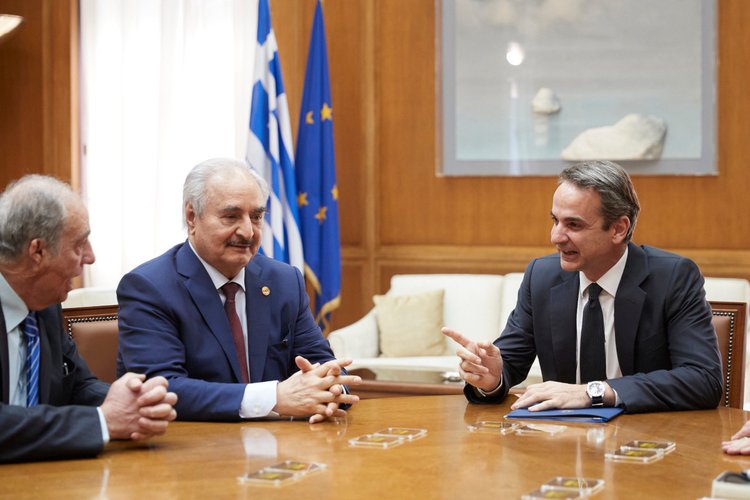
Kahlifa Haftar’s - head of the military junta in Eastern Libya - exclamation that “migrants must be expelled from the country by all means” has to be taken literally: as an unapologetic incitement to violence and abuse. Despite all this, the EU member states send delegations to Haftar in an effort to copy-paste the deterrence regime they’ve established and entrenched in Western Libya, including through the European Naval mission Irini, as leaked documents by Statewatch show.
While European goverments - spearheaded by Italy - are courting warlord Haftar, his network is fueling atrocities and mass displacement in Sudan by sustaining the war economy of the Rapid Support Forces (RSF).
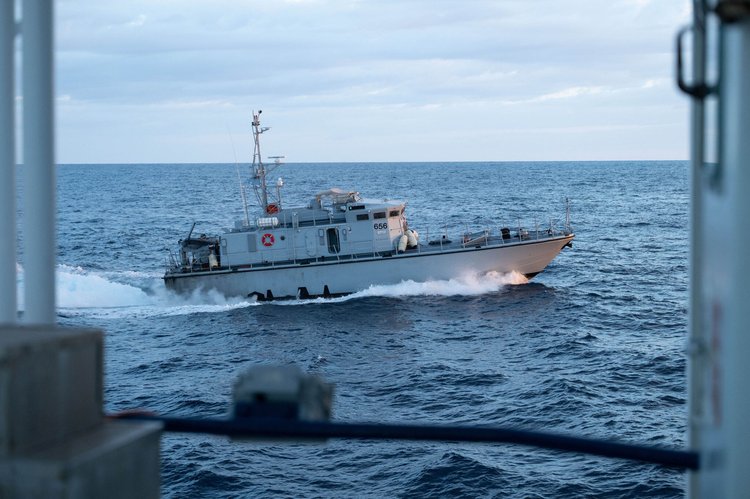
Europe’s externalization strategy—outsourcing border control to unstable, authoritarian contexts and warlords—does not stop migration but deepens human suffering and reinforces cycles of violence, dehumanization, and impunity.
Brirmi Jihed sums it up compellingly:
“For years, people on the move in Libya have been dehumanized […] blamed for every crisis. The Interior Minister and others have fueled this hate speech in public, while in closed rooms they negotiate with the European border regime, looking for money, legitimacy, training, equipment, and political recognition. Europe pretends not to see. Libya pretends this is sovereignty. And people on the move pay with their bodies.”
Follow and support Refugees in Libya—those directly affected and bearing witness. Spread their voices and support their work.