Water Shortages and Heat in Tunisia
August 30th, 2026 - written by: Birimi Jihed
Tunisia is reaching a dangerous social breaking point.
Across the country, people are facing repeated electricity cuts, water shortages and extreme heat. Videos circulating today show long queues from early morning for bottled water, while in Ariana residents reportedly stopped a water-delivery truck as frustration boiled over.
These are not isolated incidents.
The crisis is unfolding alongside growing economic hardship ,pressure on hospitals and public services, and serious concerns about conditions inside overcrowded prisons, where deaths have been reported during periods of extreme heat and water shortages.
The government has deployed the army, National Guard and Civil Protection to help distribute drinking water in affected areas a sign of just how serious the situation has become.
But one group risks remaining largely invisible in this crisis: people on the move.
People on the move and refugees living in older be fields, informal settlements, rural areas or precarious housing already struggle to access clean water, healthcare, transport and basic services. When water disappears and land temperatures become unbearable, they have even fewer alternatives.
For people stranded around places such as Sfax, Zarzis and Tunisia border regions, accessing a bottle of water can mean walking kilometres, depending on solidarity networks or paying prices they simply cannot afford.
And while Tunisians themselves are struggling to secure basic necessities, people on the move face the same crisis compounded by racism, police controls, exclusion and the constant risk of arrest or forced displacement.
The water crisis is therefore not only an infrastructure problem. It is becoming a social, humanitarian and political crisis and the people with the least protection are once again likely to suffer first.
The warning signs of a much wider social explosion are becoming increasingly difficult to ignore.
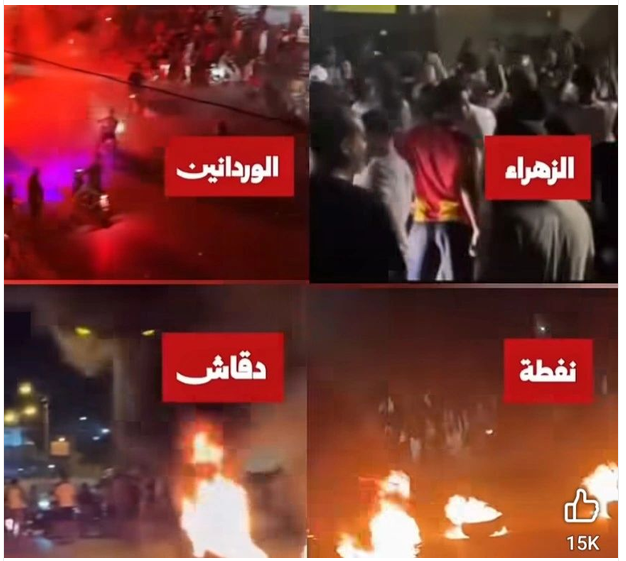
Source:Linkedin
Long queues in the morning, protests at night in Al-Wardaniya, Al-Zaraa, Daqqaash and Nefta: In the north of the country and in southern oases.